

Heirloom Redesign: How to Turn Old Jewelry Into New Custom Jewelry
Custom Jewelry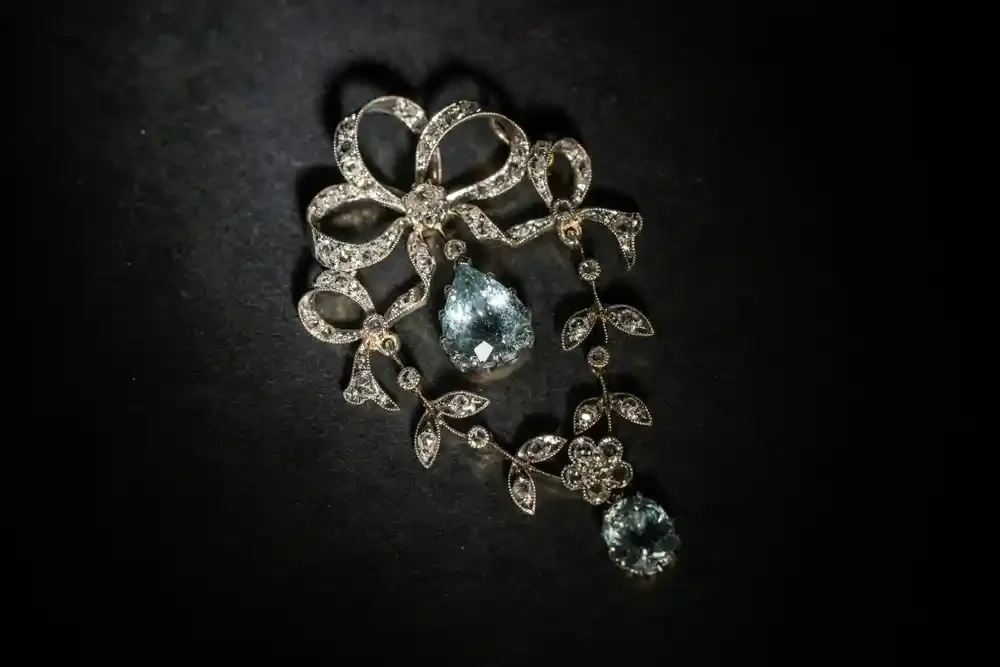
Heirloom Redesign: How to Turn Old Jewelry Into New Custom Jewelry
There's a good chance you have it. A ring in a velvet box. A brooch in a zipper pouch at the back of a drawer. A necklace that was meaningful to someone you loved but that you've never once put on.
You don't want to sell it. You can't quite bring yourself to. But wearing it as-is isn't happening either.
Heirloom redesign — taking an existing piece and transforming it into something current, wearable, and yours — is one of the most underused options in custom jewelry.
Here's everything you need to know before you start.
What Can Actually Be Redesigned?
More than most people expect. A skilled jeweler can work with:
- Diamonds and gemstones — removed from old settings and reset into entirely new designs
- Gold and platinum — melted down and used as the raw material for a new piece
- Vintage findings — clasps, prongs, and decorative elements that can be preserved and incorporated
What can't always be saved: very low-quality stones, cracked or chipped gems, or metal that's been repaired so many times it's structurally compromised. A jeweler will assess this upfront, and honesty here matters — you want to know before you get attached to a plan.
Redesign vs. Repair vs. Restore: Know the Difference
A lot of people use these terms interchangeably. They're not the same thing, and knowing which one you actually want will save a lot of confused conversations.
REPAIR
What it means: Fix what's broken — a missing stone, broken clasp, bent prong.
Best for: Pieces you love as-is
RESTORE
What it means: Return the piece to its original condition.
Best for: Antique or historically significant jewelry
REDESIGN
What it means: Use the materials to create something new.
Best for: Pieces with sentimental value but outdated style
If your grandmother's ring has a stone you love but a setting that looks like it belongs in 1987, you're not in repair territory. You're in redesign territory.
The Pros of Redesigning an Heirloom
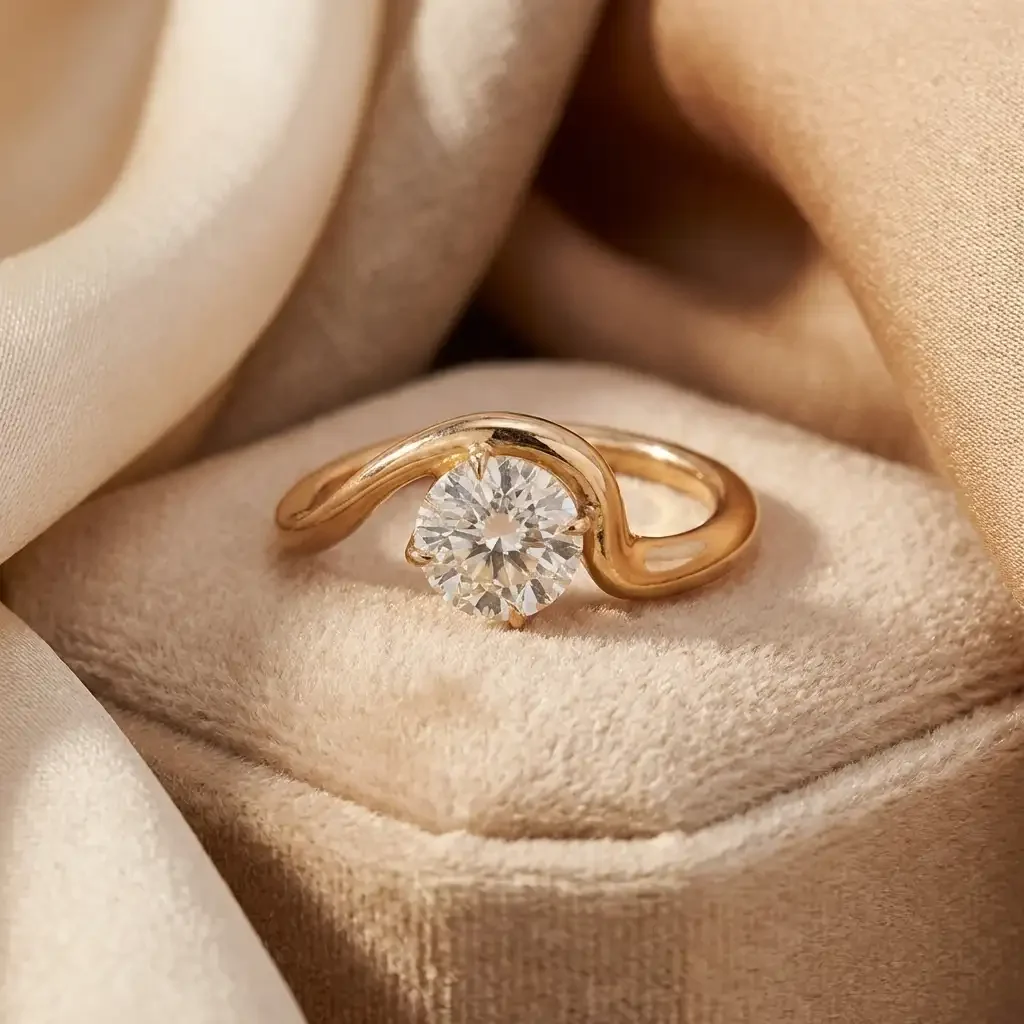
1. The sentimental value stays intact — sometimes it deepens. The stone from your mother's engagement ring becomes the center of yours. The gold from your grandfather's watch band becomes a band you wear daily. The physical connection to someone you've lost doesn't disappear when the design changes. For a lot of people, it gets stronger.
2. You start with materials that have real value. Bringing your own gold and stones to a custom project significantly reduces cost. You're not buying materials from scratch — you're transforming what already exists. That budget can go toward designing something more complex, or simply saving money.
3. You end up with something unique by default. No one else has a ring made from your grandmother's diamond. The one-of-a-kind nature isn't just marketing — it's literally true.
4. It gives inherited pieces a future. Jewelry that sits in a drawer doesn't get passed down again. A piece that gets worn daily, is relevant and has a chance of becoming the next generation's heirloom.
The Cons (And They're Worth Knowing)
1. The original piece is gone. This sounds obvious but hits harder than people expect. Once the metal is melted and the stones are reset, there's no going back. If you have any ambivalence about whether you want to preserve the original form, sit with that before you commit.
2. Not all stones survive the process. Softer gems, heavily included stones, or anything that's been previously damaged may crack or chip during setting. Your jeweler should flag any risk before work begins, but it's worth asking directly.
3. The timeline is longer than buying off the shelf. Expect two to three weeks depending on the complexity. Redesign projects often take longer than new custom work because there's an assessment phase and, sometimes, sourcing additional materials to supplement what you bring.
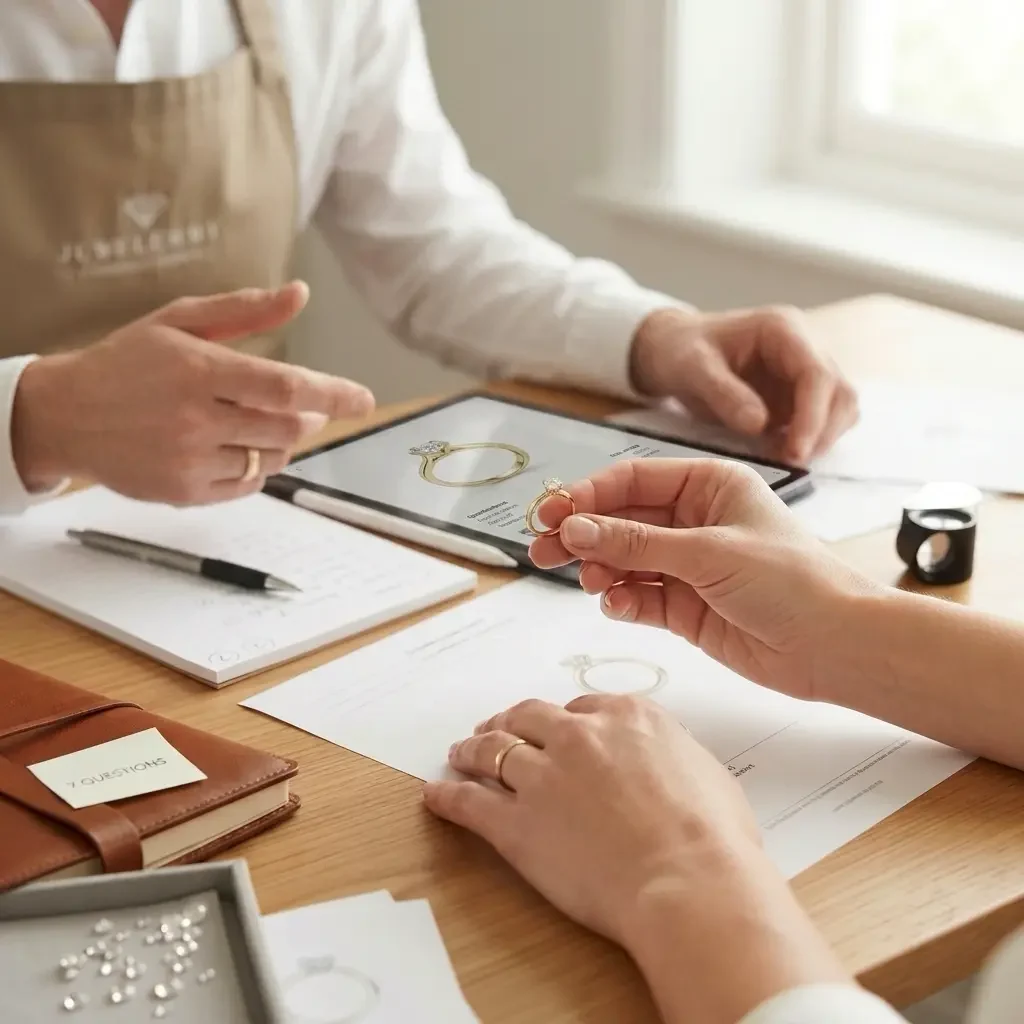
5 Questions to Ask Before You Start
Getting these answered upfront makes everything smoother:
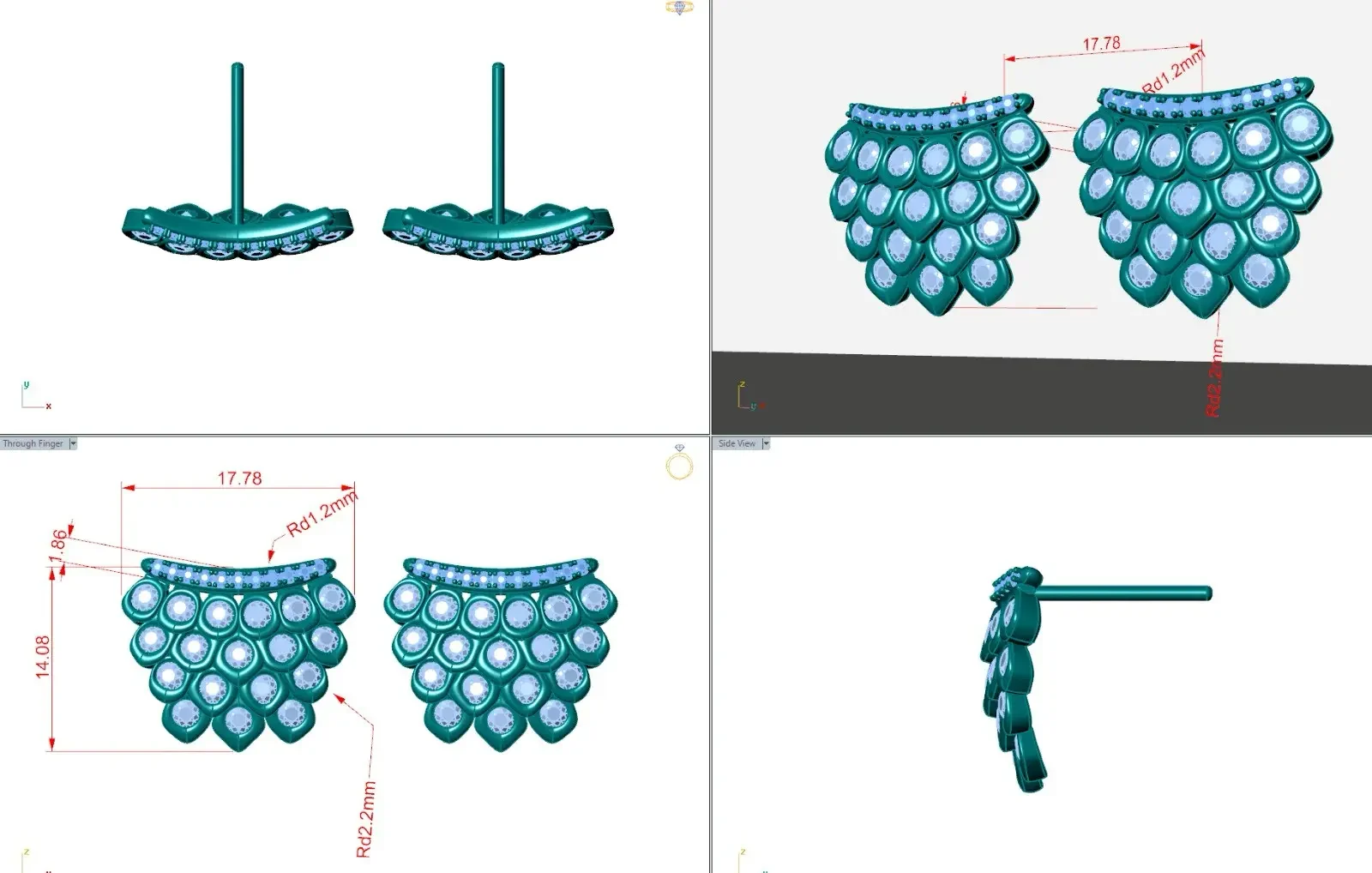
- Can you assess the stones before we commit to a design? You need to know what you're working with before you fall in love with a rendering.
- Will my gold be used in the final piece, or melted into a general pool? Some jewelers commingle metals. If using your specific gold matters to you, ask explicitly.
- What happens if a stone is damaged during the process? Know the policy so you don't have any surprises.
- Can I see examples of past redesign work? Portfolio matters here more than almost anywhere else.
- What's the realistic timeline? And what does the deposit and payment structure look like?
The Piece in the Drawer Deserves Better
Jewelry wasn't made to sit in the dark. It was made to be worn, to catch light, to mean something to the person carrying it.
Redesign doesn't erase history. Done right, it continues it — just in a form that fits the person wearing it now, not the era it came from.
If you've got something sitting in a drawer and you're not sure what's possible, start with a conversation. Bring the piece. Bring the story behind it. The design follows from there.
Read more about The Custom Jeweler process for remounting diamonds and gemstones here.
Curious what your heirloom could become? Book a consultation here— no commitment, just a look at what's possible.

Matthew Howe - Director of Operations — The Custom Jeweler
Matthew Howe has worked in diamonds since 2012, spending his first years alongside the buyers at a recycled and estate diamond wholesaler — learning how stones are graded, priced, and marked up well before they reach a retail case. He runs The Custom Jeweler day to day and still works client projects himself: the first call, the stone list, CAD approvals, and the last photos before a piece ships. Most of what he writes started as a question a client asked him on the phone.